


Is there a federal OSHA heat standard in effect?
As of 2026, the U.S. Department of Labor’s Occupational Safety and Health Administration (OSHA)’s proposed heat-safety rule has not yet taken effect. The current Unified Agenda lists a supplemental proposal for December 2026 with final action slated for October 2027. Separately, OSHA issued an updated National Emphasis Program (NEP) in April 2026 to continue targeted heat-hazard inspections and enforcement to provide interim guidance on indoor and outdoor heat-related hazards.
OSHA’s proposed 2026 heat safety standard marks a pivotal shift in how employers must manage workplace heat stress. If finalized, this OSHA heat rule proposal would introduce the first federal heat illness prevention requirements—establishing nationwide expectations for monitoring, planning, and responding to dangerous heat exposure on the job.
While a federal heat-specific standard hasn’t been finalized yet, employers must still address heat hazards under existing OSHA authority, comply with applicable workplace-safety standards and follow any state heat requirements that apply to their operations. This guide explains what OSHA currently requires, what the proposed federal heat rule would add and how employers can prepare by improving heat monitoring, planning, training and emergency response.
What are OSHA’s Current Heat Requirements for Employers?
Federal OSHA requires employers to address recognized serious heat hazards and provide potable water; specific heat thresholds and break schedules depend on applicable state rules. OSHA’s water, rest and shade guidance recommends providing cool water near the work area and encouraging workers to drink regularly rather than waiting until they feel thirsty. For jobs lasting more than two hours, employers should also make electrolyte-containing beverages available. When heat stress increases, workers should receive more frequent and longer recovery breaks in a shaded, air-conditioned or otherwise cool location.
Heat acclimatization is also essential for new employees and workers returning after time away. OSHA recommends gradually increasing their workload and heat exposure while supervisors closely monitor them for signs of heat illness.
These measures are established OSHA heat-safety practices, but they should not be confused with the proposed federal heat rule. If finalized, that standard would create more specific nationwide provisions for drinking water, paid rest breaks, cooling areas and acclimatization at defined heat-index or WBGT thresholds. State heat-safety laws may already impose additional requirements, so employers should verify the rules that apply in each location.
What is OSHA’s Proposed Heat Standard in 2026 for Workers?
OSHA currently relies on the General Duty Clause and applicable federal and state standards to address workplace heat hazards. Its National Emphasis Program directs inspection and enforcement activity toward higher-risk workplaces. In 2024, OSHA introduced a proposed federal heat standard. These regulations would address the critical concern of extreme heat stress and are intended to have final action by October 2027.
After all, extreme heat is the leading cause of weather-related deaths in the United States.
The Bureau of Labor Statistics reports over 33,000 work-related heat injuries and heat illnesses between 2011-2022, however, these statistics are likely to be vast underestimates.
Heat illness can lead to lost workdays and decreased worker morale and retention, impacting both individual livelihoods and the overall productivity of industries reliant on outdoor labor. Organizations face the potential financial burden of rising healthcare costs associated with heat-related illnesses.
Key provisions include:
- Mandatory Heat Illness Prevention Plans (HIPP): The new OSHA heat regulations add safeguards for workers nationwide, with employers required to provide heat safety awareness training for identifying heat hazards and implementing comprehensive heat illness prevention plans and work practice standards. These include providing adequate rest breaks, access to shade and hydration.
- Acclimatization Programs: The regulations emphasize the importance of heat acclimatization programs, especially for new hires or workers returning from breaks.
Gradually increasing workload and exposure to hot conditions allows workers to adapt physically, reducing the risk of heat stress. - Medical Monitoring and Emergency Response: Employers will have protocols in place for monitoring workers for signs of heat stress and ensuring timely access to medical care in case of emergencies.
What is the Status of OSHA’s Proposed Heat Standard in 2026 for Outdoor Workers?
The proposed OSHA heat regulations remain in the rulemaking stage and do not currently create new nationwide requirements for outdoor workers. OSHA published the proposal in August 2024, held public hearings in 2025 and closed the post-hearing comment period on October 30, 2025. The current Unified Agenda projects a supplemental proposal in December 2026 and final action in October 2027. Until a final standard takes effect, OSHA continues addressing workplace heat through existing authority, applicable standards and its National Emphasis Program.
On September 16, 2026, OSHA standards director Andrew Levinson said OSHA is planning to issue a supplemental prosoal rule “in the coming months” and explained that the agency has “different thoughts” and wants to give the public another opportunity for input.
The graphic below shows a timeline and a brief historical context of the proposed OSHA heat safety requirements.
OSHA Heat Rules FAQs
As a general rule, office temperature and humidity are matters of human comfort. OSHA has no regulations specifically addressing temperature and humidity in an office setting.
Who does the new OSHA Heat Safety Standard apply to?
The OSHA heat safety standard would apply to all employers working in outdoor and indoor heat environments in all general industries, construction, maritime, and agriculture sectors where OSHA has jurisdiction.
The proposed requirements are the same for employees who work indoors or outdoors and are expected to affect workplaces from farm fields to warehouses to kitchens.
Who’s not covered by the new OSHA rule?
The rule does not apply to jobs where workers are unlikely to face heat levels above the initial warning point or where indoor spaces or vehicles are consistently air-conditioned below 80°F.
What temperature triggers action under OSHA guidelines?
A temperature of 80°F triggers the OSHA heat safety requirements. When the combined heat and humidity reaches 80°F, employers must provide water and rest breaks.
If the heat index climbs to 90°F, stricter rules apply. Employers must offer paid 15-minute rest breaks every two hours and monitor workers for heat illness symptoms.
While there are no mandated OSHA temperature working conditions that set a specific temperature limit, employers are still legally required to protect workers from heat-related hazards.
When will the federal heat rule be finalized?
Likely in late 2027. A phase-in period is expected.
Are employers required to monitor WBGT?
Not yet federally, but WBGT is a recommended standard—and many states are starting to require it.
What is Heat acclimatization?
The United States is massive geographically, with many regions within the US having their own varying degrees of heat intensity. As a result, people in different areas experience heat stress at various thresholds.
Heat Acclimatization refers to an individual’s gradual heat tolerance, or the ability to adapt to hot environments over time.
Individuals in zones with higher temperatures tend to acclimatize faster than those in cooler zones.
The best way to acclimatize to the heat is to increase the workload performed in a hot setting gradually over a period of 1–2 weeks
What are the proposed requirements for identifying heat hazards?
For Outdoor work and heat conditions:
- Tracking local heat index (i.e., temperature and humidity) forecasts, or
- Measuring heat index or wet bulb globe temperature (WBGT)
For Indoor work conditions:
- Identifying work areas with hazardous heat exposure –
- Developing and implementing a monitoring plan for these work areas by measuring heat index or WBGT
- Seeking employee input in developing and updating the monitoring plan
What are the proposed requirements at or above the initial heat triggers?
Here are the proposed requirements based on the heat triggers:
- Initial heat trigger: A heat index of 80°F or a WBGT equal to the NIOSH Recommended Alert Limit (RAL)
- High heat trigger: A heat index of 90◦ F or a WBGT equal to the NIOSH Recommended Exposure Limit (REL)
Initial Heat Triggers:
- Drinking water that is suitably cool, with at least 1 quart per employee per hour
- Outdoor break areas with shade OR air-conditioning, if an enclosed space
- Indoor break areas with air-conditioning OR increased air movement, and, if appropriate,
- de-humidification
- Indoor work area controls such as fans or comparable natural ventilation, and, if
- appropriate, dehumidification OR air-conditioning OR controls for radiant heat sources
- Acclimatization plan for the first week of work for new and returning employees
- Rest breaks if needed (paid)
High Heat Triggers:
- Paid Breaks: Employees must get a 15-minute paid break every two hours. Unpaid lunch breaks can also count as a break.
- Watch for Warning Signs: Supervisors or designated heat safety coordinators will keep an eye on workers for signs of heat illness. A buddy system can also be used to prevent near misses.
- Stay Connected: Workers who are alone on the job must check in with someone every two hours.
- Know the Plan: Everyone needs to know about drinking water, taking breaks, and what to do in an emergency.
Why aas OSHA chosen WBGT? How is it better than the heat index?
The military, OSHA, college and high school athletic departments and many other activities associations already use the WBGT as a guide to manage workloads or strenuous activity levels based on what the heat feels like.
Heat index doesn’t account for factors like sunlight, wind, and individual differences. As a result, it doesn’t match real-world conditions, especially for physical activities performed by athletes.
Unlike heat index, Wet Bulb Globe Temperature offers a more realistic and in-depth assessment of what the heat feels like. WBGT as a metric takes into account factors like direct sunlight, water vapor capacity, and cloud coverage, making it the best metric to track the effects of heat stress on the human body and prevent near misses. If you work or exercise in direct sunlight, this is a good element to monitor.
Learn more about the differences between WBGT and Heat Index here.
What should an OSHA heat illness prevention plan include?
Hazard assessment, control measures, monitoring, training, acclimatization, emergency response, record keeping.
How do I prove compliance during an OSHA inspection?
Provide your written plan, heat logs, training records, and monitoring setup. Perry Weather’s dashboard offers historical logs and automated reports.


How Do The New OSHA Heat Safety Rules Impact On-Site Monitoring and Outdoor Workers?
If mandated, the proposal would require covered employers to assess workplace heat and take additional protective steps when its heat-index or WBGT triggers are reached. OSHA estimates that the rule would affect approximately 36 million workers and significantly reduce heat injuries, illnesses, and deaths in the workplace.
The new federal heat safety standard aims to minimize occupational risk factors, including heavy physical activity, hot and humid environmental conditions, and clothing that traps body heat. Here’s how the new federal heat safety rules could potentially impact workers.
- Increased Safety and Reduced Risk: Heat illness prevention plans and policies offer a structured approach to managing heat stress. These measures significantly reduce the risk of heatstroke, dehydration, and other heat-related illnesses, promoting overall worker well-being.
- Improved Health and Productivity: By preventing heat stress, workers can maintain optimal physical performance throughout the workday. This translates to increased productivity, less fatigue, and improved efficiency, reducing lost workdays due to heat-related illnesses.
- Reduced Work Disruptions: By proactively managing heat stress, these regulations aim to minimize work stoppages due to extreme heat-related illnesses like heat stroke.
How to Prepare for OSHA’s Heat Safety Regulations in 2026
The newly proposed OSHA temperature regulations strongly emphasize on-site monitoring to protect outdoor workers from heat-related illnesses. Employers will be required to implement robust heat injury and illness prevention plans (HIIPP), including temperature monitoring at the worksite.
Accurate on-site monitoring of WBGT (Wet Bulb Globe Temperature) and heat index is crucial for protecting outdoor workers from heat-related illnesses. Unlike the heat index, WBGT is specifically designed for outdoor work environments. WBGT accounts for temperature, humidity, radiant heat and air movement, making it useful for assessing occupational heat conditions in both indoor and outdoor environments. Regular WBGT checks are crucial for making informed decisions about adjusting work schedules, rest breaks, hydration, and other heat-related precautions. Here are five ways employers can strengthen current heat-safety practices and prepare for OSHA’s proposed federal standard in 2026.
1. Monitor Heat Stress Levels with the Wet Bulb Globe Temperature (WBGT)
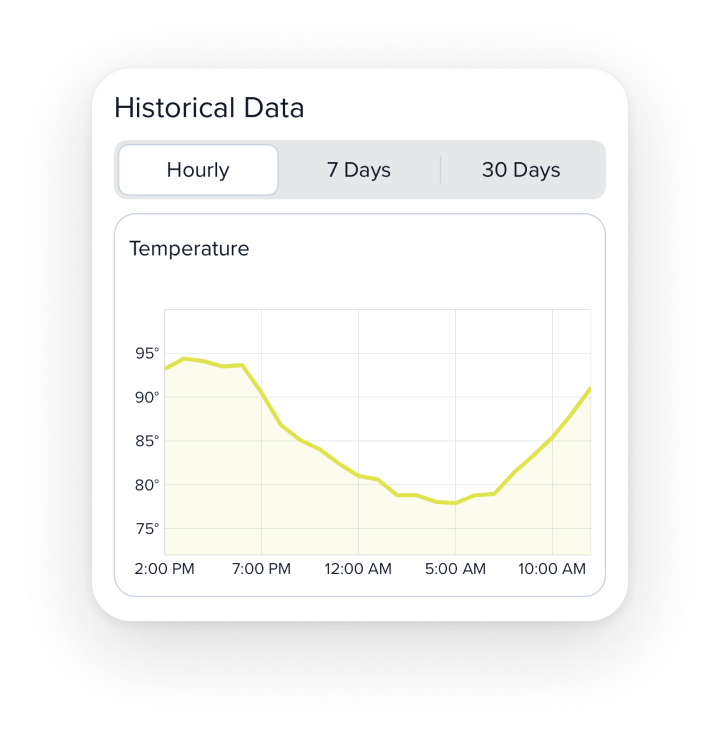
- The heat safety plan should outline procedures for monitoring heat stress levels using the Wet Bulb Globe Temperature (WBGT) index.
- Define specific actions to be taken based on WBGT readings, like mandatory water breaks, adjustments to work schedules, and relocation of tasks to cooler areas.
- Include protocols for identifying signs and symptoms of heat stress in workers and providing first aid or emergency medical response.
- Implement cooling systems like air conditioning and improve ventilation.
2. Implement Heat Acclimatization Programs
Workers who haven’t spent time in warm or hot environments will need time to acclimatize or build tolerance to the heat.
- This involves gradually increasing workload and exposure time in hot conditions, especially for new hires or workers returning from breaks.
- This allows workers to physically adapt and reduces their risk of heat stress.
- Create training programs to educate employees on the importance of acclimatization and proper hydration practices.
3. Provide Adequate Hydration and Shade
- Ensure readily available, cool, potable water for all workers throughout the workday.
- Adjust work schedules and workloads by reducing strenuous tasks.
- Encourage frequent water breaks.
- Provide shaded areas for rest breaks and whenever possible, relocate tasks to shaded areas during peak heat hours.
- Consider providing cooling vests or towels for additional heat mitigation.
4. Provide Heat Safety Training to Supervisors and Workers
- Train supervisors on recognizing signs and symptoms of heat stress, implementing the HIPP, and providing first aid.
- Educate workers on the dangers of heat stress, proper hydration techniques, and how to stay cool on the job.
- Encourage open communication, allowing workers to report any concerns about heat stress to supervisors.
5. Monitor and Adapt
- Use an on-site wet bulb globe temperature (WBGT) meter. WBGT incorporates temperature, humidity, sunlight, and air movement into a single measurement.
- Regularly monitor WBGT readings and adjust work practices accordingly.
- Implement a system for receiving real-time weather updates and heat advisories.
- Prepare to modify work schedules or relocate tasks indoors if heat stress levels become dangerous.
- Continuously review and improve the HIPP based on experience and feedback.
Additional Considerations
- Risk Assessment and Planning: Organizations should conduct thorough risk assessments to identify heat hazards and develop comprehensive heat illness prevention plans tailored to their specific work environments.
- Infrastructure Improvements: Investing in infrastructure and technology that mitigates heat exposure, such as weather monitoring devices, shaded areas, cooling stations, and improved ventilation in indoor workspaces, is essential.
- Policy Enforcement: Regular monitoring and enforcement of heat safety policies are crucial. Employers should prepare for increased inspections and ensure compliance with all regulatory requirements.
- Invest in personal protective equipment (PPE) designed for hot weather conditions, like breathable clothing and wide-brimmed hats.
- Explore technological solutions like heat stress monitors to provide real-time data on worker well-being.
Investing in reliable heat safety monitoring solutions like Perry Weather can help organizations create a safer environment for workers.
Which States Have Their Own Heat-Safety Laws?
Some OSHA-approved State Plans have adopted heat-specific requirements that are more detailed than current federal requirements. The 2026 Unified Agenda identifies California, Colorado, Maryland, Minnesota, Nevada, Oregon and Washington as states with heat protections. Coverage varies: a standard may apply only to indoor work, outdoor work, particular industries or specified conditions.
Employers should verify the current requirements with the relevant state occupational-safety agency rather than assuming that the proposed federal triggers apply. OSHA maintains links to State Plan standards. Multi-state organizations should document which rules and internal policies govern each location.
Does OSHA Set a Maximum Temperature for Working?
OSHA does not set one universal maximum workplace temperature at which all work must stop. Heat risk depends on the complete working environment, including humidity, radiant heat, sunlight, air movement, workload, clothing and acclimatization. The proposed 80°F and 90°F thresholds are action triggers—not maximum working temperatures—and are not currently nationwide federal requirements.
How Perry Weather Supports Employers with Heat Safety Programs
Heat-related illnesses are rising — and so are OSHA citations. With the current NEP provisions by the OSHA heat safety standard (2026) and the federal OSHA heat rule proposal, employers can no longer treat heat stress as a seasonal concern. Workplace heat safety guidelines, heat illness prevention requirements, and indoor heat exposure regulations are necessary compliance tools to keep everyone safe.
Employers subject to heat-safety legislation need accurate calculations tied to a single source of consistently reported live and historical data. Perry Weather’s on-site weather stations and monitoring software offer features specifically designed for occupational safety.
With Perry Weather, you and your team can:
- Avoid weather delays with predictive warnings that help you and your safety team keep work running smoothly, even across multiple locations.
- Access real-time data from an on-site station and monitor all weather conditions so you know when it’s time to stand down, and when it’s safe to work.
- Create custom alert triggers based on your safety policies, and automatically send them to your crews, job site locations, subcontractors, and more.
Is the OSHA heat rule final in 2026?
No. OSHA’s Heat Injury and Illness Prevention in Outdoor and Indoor Work Settings standard remains a proposed rule and has not taken effect. The current Unified Agenda projects a supplemental proposal in December 2026 and final action in October 2027, but regulatory-agenda dates are estimates and may change. A September update reveals OSHA may open the proposal back up to commentary following new developments.
When will the OSHA heat rule take effect?
There is no confirmed effective date for the federal OSHA heat rule. OSHA’s Unified Agenda projects final action in October 2027, but the agency must complete the rulemaking process before publishing a final standard and effective date. Until then, employers remain subject to the General Duty Clause, applicable OSHA standards and any state heat-safety requirements.
What are OSHA’s current heat requirements for employers?
Federal OSHA does not currently have one heat-specific standard with universal temperature triggers. However, employers must protect workers from recognized serious heat hazards under the General Duty Clause. Depending on the workplace, existing OSHA standards also address potable water, sanitation, PPE assessment, training, first aid, emergency response and injury recordkeeping. State heat standards may impose additional requirements.
Does OSHA require breaks at 80°F?
Federal OSHA does not currently require universal heat breaks whenever the temperature or heat index reaches 80°F. The 80°F initial heat trigger belongs to OSHA’s proposed federal standard and is not currently a nationwide requirement. However, breaks may be necessary to control a recognized heat hazard, and some state heat-safety standards establish their own temperature-triggered requirements.
What would OSHA’s proposed heat rule require at 80°F?
At the proposed initial heat trigger—an 80°F heat index or the applicable WBGT threshold—covered employers would need to implement measures such as drinking water, accessible break areas, acclimatization procedures, communication and controls for reducing heat exposure. These are proposed federal heat requirements and will not become nationwide mandates unless OSHA finalizes the standard.
What would happen at 90°F under OSHA’s proposed heat rule?
At the proposed high-heat trigger—generally a 90°F heat index or the applicable WBGT threshold—employers would implement additional protections. These would include paid 15-minute rest breaks at least every two hours, employee observation, hazard alerts and reminders to drink water. The proposed 90°F provisions are not currently nationwide federal requirements.
Does OSHA require water, rest, and shade?
OSHA sanitation standards require employers to provide potable drinking water. Federal OSHA also recommends adequate water, recovery breaks and a cool or shaded rest location as core heat-illness controls. The exact protections required depend on the hazard and applicable standards, while some states impose specific rules. OSHA’s water, rest and shade guidance recommends more frequent and longer breaks as heat stress increases.
Does OSHA set a maximum temperature for working?
No. OSHA does not establish one universal maximum workplace temperature at which all work must stop. Heat risk depends on humidity, radiant heat, sunlight, air movement, workload, clothing, protective equipment and worker acclimatization—not air temperature alone. Employers must evaluate the complete working environment and address recognized serious heat hazards.
What is the difference between OSHA heat index guidance and WBGT?
Heat index combines air temperature and humidity and represents how hot conditions feel in the shade. Wet Bulb Globe Temperature, or WBGT, also accounts for radiant heat, sunlight and air movement. OSHA’s heat-hazard guidance recommends on-site WBGT measurements because they provide a more complete assessment of workplace heat than heat index alone.
Does OSHA require employers to use WBGT?
Federal OSHA does not currently require every employer to use a WBGT monitor. OSHA recommends on-site WBGT measurements when assessing workplace heat because conditions at a jobsite can differ substantially from nearby weather reports. OSHA’s proposed heat standard would allow specified heat-index or WBGT measurements to determine when its initial and high-heat protections apply.
What should a heat illness prevention plan include?
A heat illness prevention plan should explain how an employer identifies heat hazards, monitors conditions and protects exposed workers. It should address water, rest and cooling, acclimatization, training, worker communication, emergency response and responsibilities for implementing the plan. OSHA’s proposed rule would require covered employers to establish a written, site-specific Heat Injury and Illness Prevention Plan.


